Ayb School: Building Educational Opportunities in Armenian
A visit to a school in Yerevan made me think about the practical work behind a powerful idea: giving children more opportunities through their own language.
 Dasha Bublik
When I first heard “Araratian Baccalaureate”, I smiled. Until then, Ararat had mostly meant Armenian brandy to me. Behind the name, though, was a serious educational ambition.
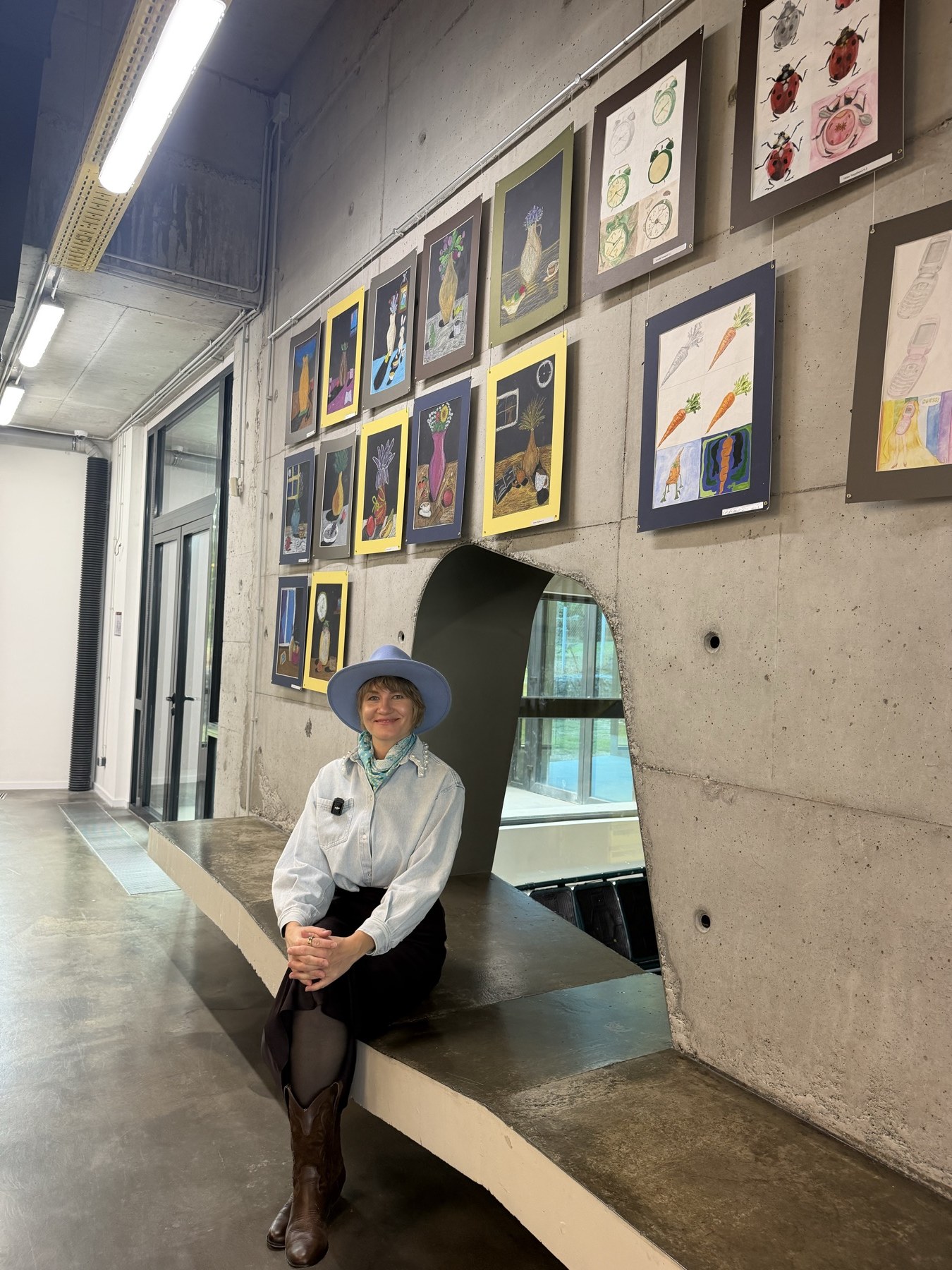
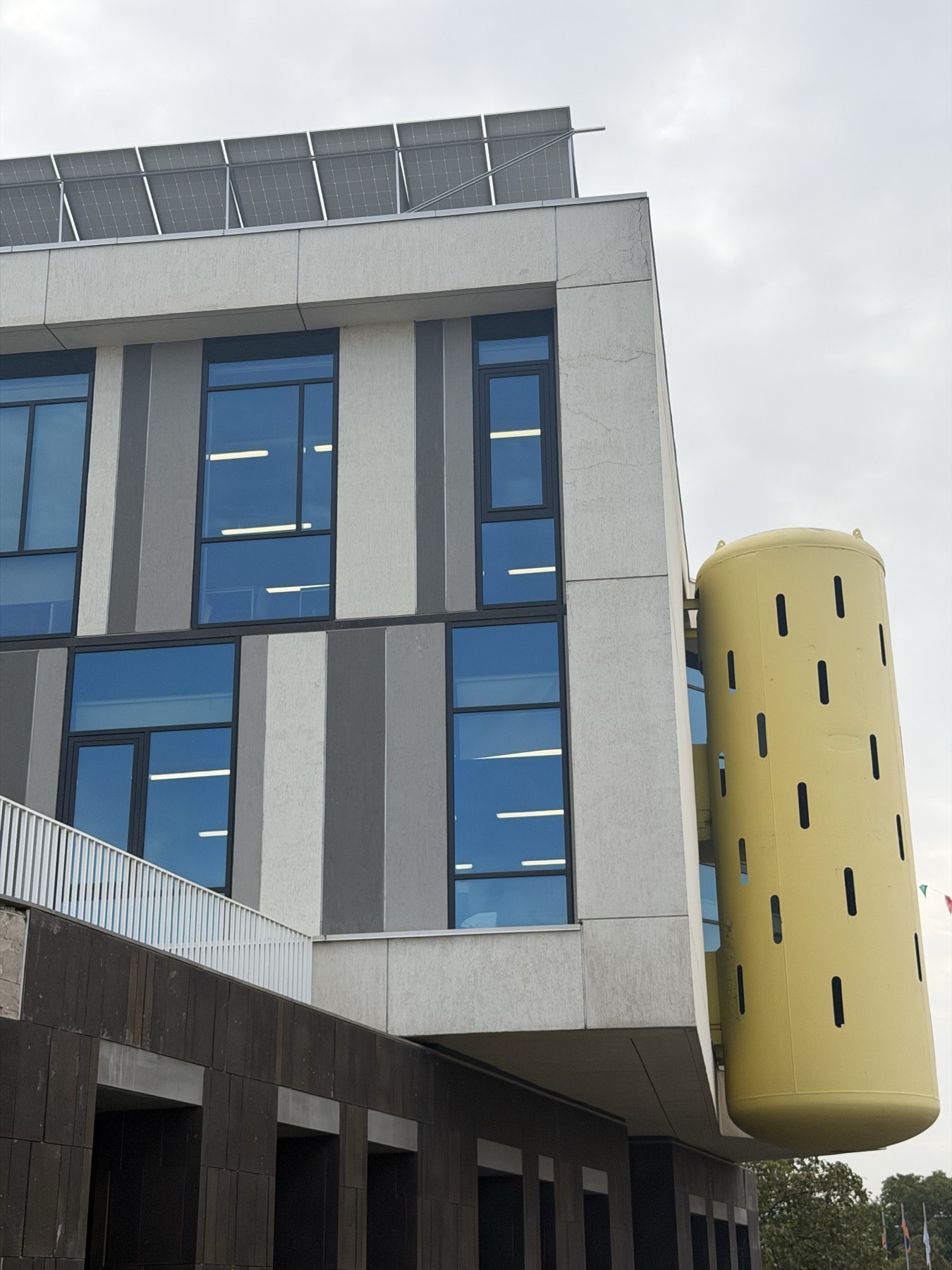
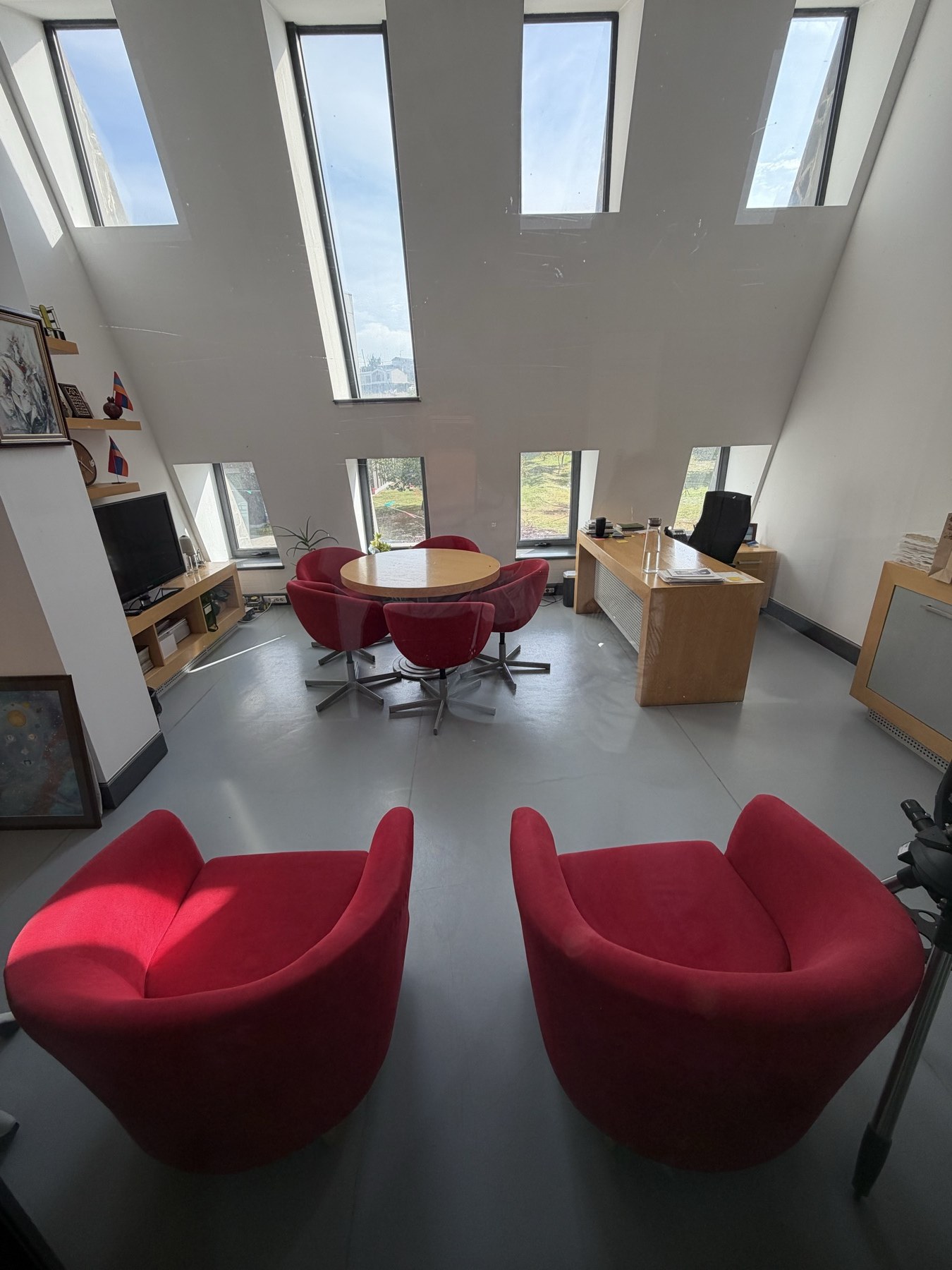
At Ayb School in Yerevan, I was impressed by the architecture, the creative spaces and the artwork. But I wanted to understand something less visible: how do you build an education with international ambitions while keeping Armenian at its centre?
The school’s Araratian Baccalaureate is an Armenian-language high-school programme developed by the Ayb Educational Foundation with international partners, including Cambridge and UCL’s Institute of Education. What interested me most was the work required to make that idea function in a classroom.
Learning materials are one part of it. Ayb’s teachers develop, translate and adapt resources for their subjects. Teacher development is another: the programme has included professional training designed with UCL’s Institute of Education. Assessment matters, too. Cambridge consultants have trained local examiners to use shared marking criteria.
These details may sound less exciting than a beautiful building. For me, they are the heart of the story. If children are to study demanding subjects in their own language, someone has to build the resources, teaching expertise and assessment systems that make it possible.
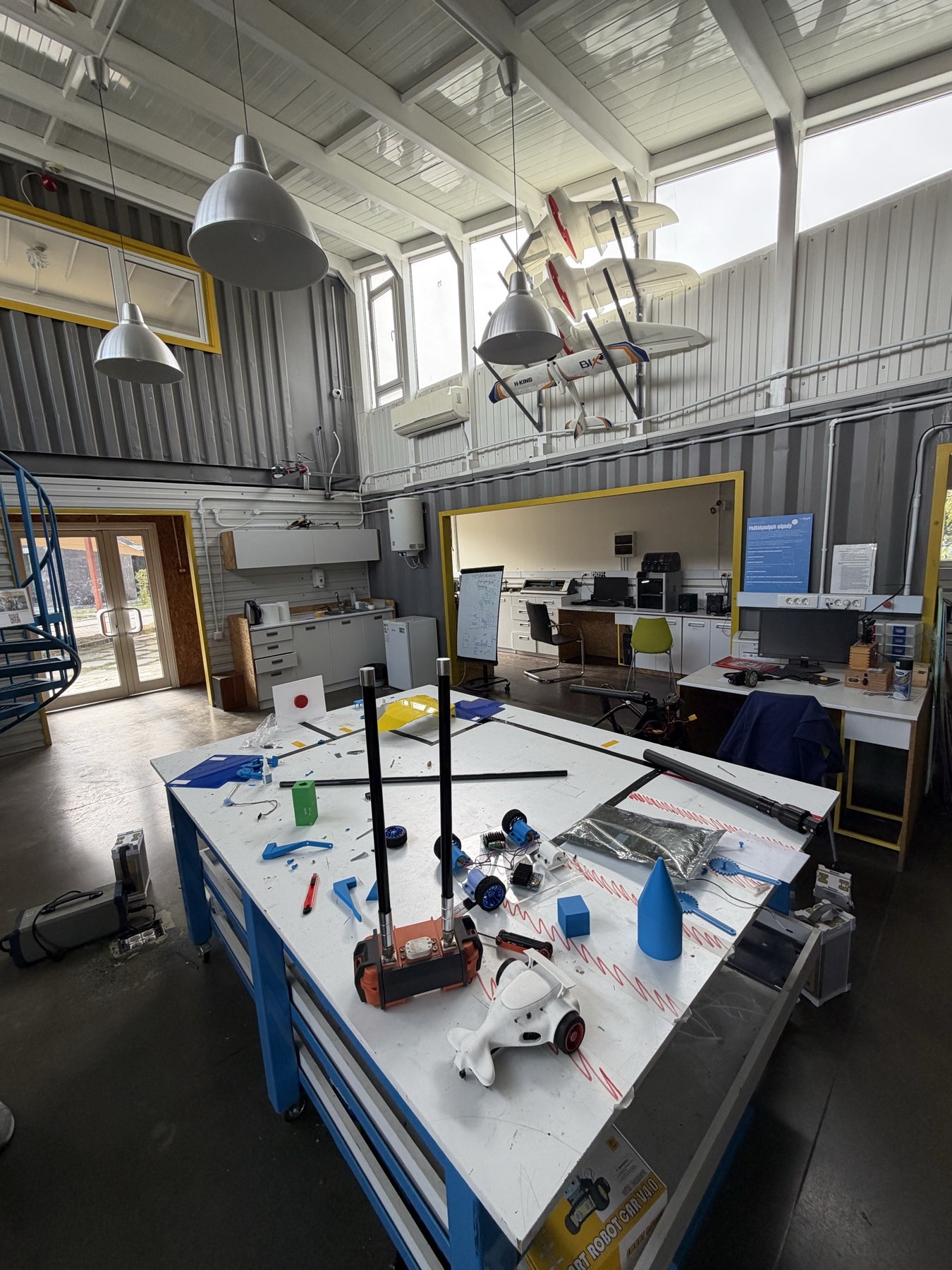
There was also a story I heard during the visit that deserves an article of its own: Ayb students had built a device for collecting atmospheric data, which flew aboard an Indian rocket. I was struck by how far a school project could travel beyond the classroom.
One much smaller detail stayed with me, too: the children were eating lavash, the Armenian flatbread, for breakfast. A breakfast tells us nothing about the quality of an educational model, of course. But it belonged to the impression I took away: an ambitious, contemporary school, connected to the wider world, with a recognisably local everyday life.
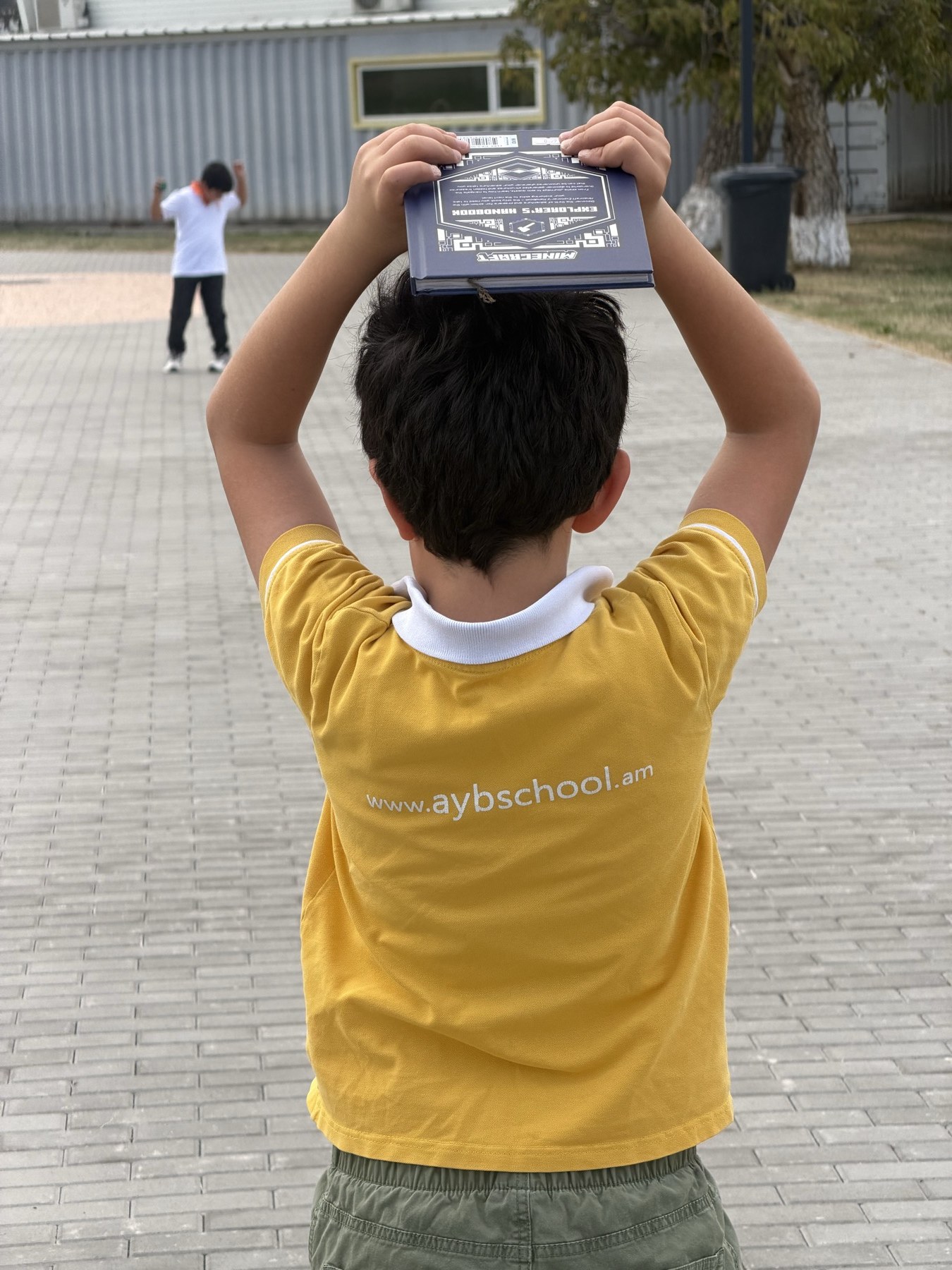
I left thinking about what it means to give a language a future. Alongside preserving it, we need to expand what people can do through it: explore complex ideas, build things, gain a strong education and take their next steps.
At Ayb, it was the practical work behind that possibility that interested me most.

